
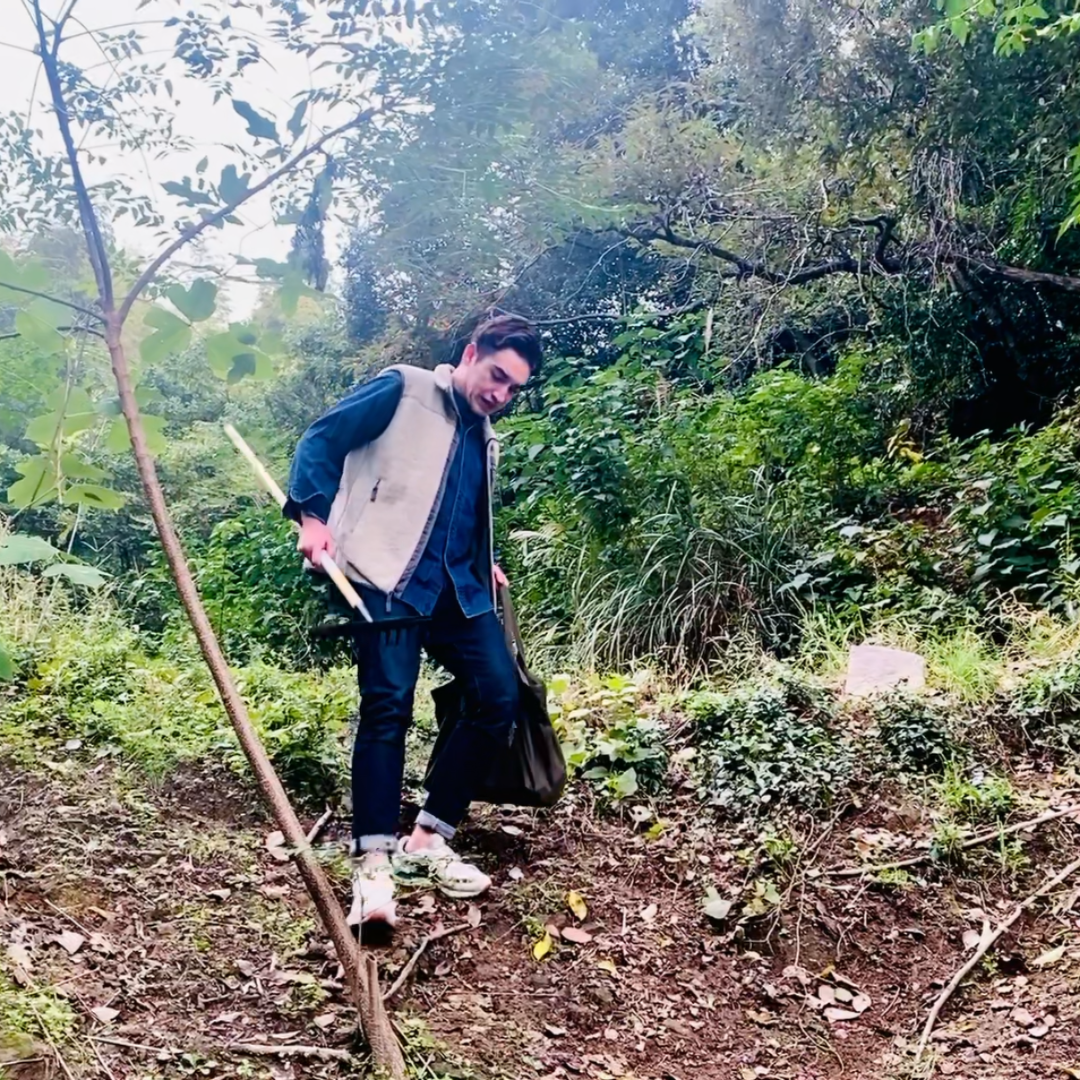
“The path to the backyard hill is getting scary to walk on.”
“I lost my footing on the slope right after it rained.”
Does this sound familiar?
Falling on a slope isn’t just a matter of being careless—it’s usually the result of multiple overlapping factors.
In this article, we’ll break down:
- The real causes of slippery slopes
- Hidden danger zones you might overlook
- Practical ways to make slopes safer
1. The Science of Slipping: 3 Key Causes
Stability on a slope depends on three critical factors:
① Loss of Friction (Surface Conditions)
Wet leaves, moss, and clay-heavy soil drastically reduce friction between your shoes and the ground.
Especially dangerous: Hard-packed dirt. It feels stable when dry, but after light rain, it can become as slippery as ice.
② Shift in Center of Gravity (Physics)
On a slope, your body is constantly pulled by gravity.
- Going down: momentum increases quickly
- Going up: push force becomes unstable
Even a small slip can turn into a serious fall.
③ “Point Contact” Instead of Surface Contact
On flat ground, your foot makes full contact.
On slopes, however, you often stand on your toes or heels, reducing contact area.
Less contact = higher slip risk.
2. Hidden Danger Zones You Might Miss
Even familiar paths can suddenly become dangerous.
■ The “Half-Dry” Phase After Rain
This is one of the most overlooked risks.
As soil or leaves begin to dry, they create a slick, sticky surface layer.
It may look safe—but underneath, moisture acts like a lubricant.
■ North-Facing or Shaded Slopes
These areas rarely dry out and often develop moss or algae.
Wet moss is extremely slippery—even experienced hikers struggle here.
■ Loose Rocks and Exposed Roots
- Rocks may shift or roll when stepped on
- Tree roots become smooth and slick when wet
Both are unreliable and dangerous footing.
3. How to Reduce Slip Risk (3 Levels of Protection)
① Proper Footwear
Use boots with strong traction, such as trekking shoes or work boots with deep lugs.
② Walking Technique
Take smaller steps and aim for flat-foot contact to maximize stability.
③ Stabilize the Ground (Permanent Solution)
The most effective solution is improving the slope itself.
Add a surface that provides mechanical grip, preventing your foot from sliding.
Conclusion: Don’t Ignore the Warning Signs
If a slope feels “a little slippery,” that’s your body telling you something is wrong.
Don’t wait for an accident.
Instead of traditional steps that require heavy excavation, consider a smarter approach.
A Smarter Solution: NOBOROKKA
NOBOROKKA is a unique DIY slope stabilization system designed specifically for natural terrain.
Unlike flat steps, it features an engineered wavy profile that creates strong traction at any angle.
- Ascending: Provides stable push-off without catching your toe
- Descending: Grips both heel and toe to stop sliding instantly
Simply install units directly into the slope—no heavy digging required.
Create a safer, high-traction path—even in wet conditions.
Take control of your land and eliminate the root cause of slipping.


Leave a comment
This site is protected by hCaptcha and the hCaptcha Privacy Policy and Terms of Service apply.