
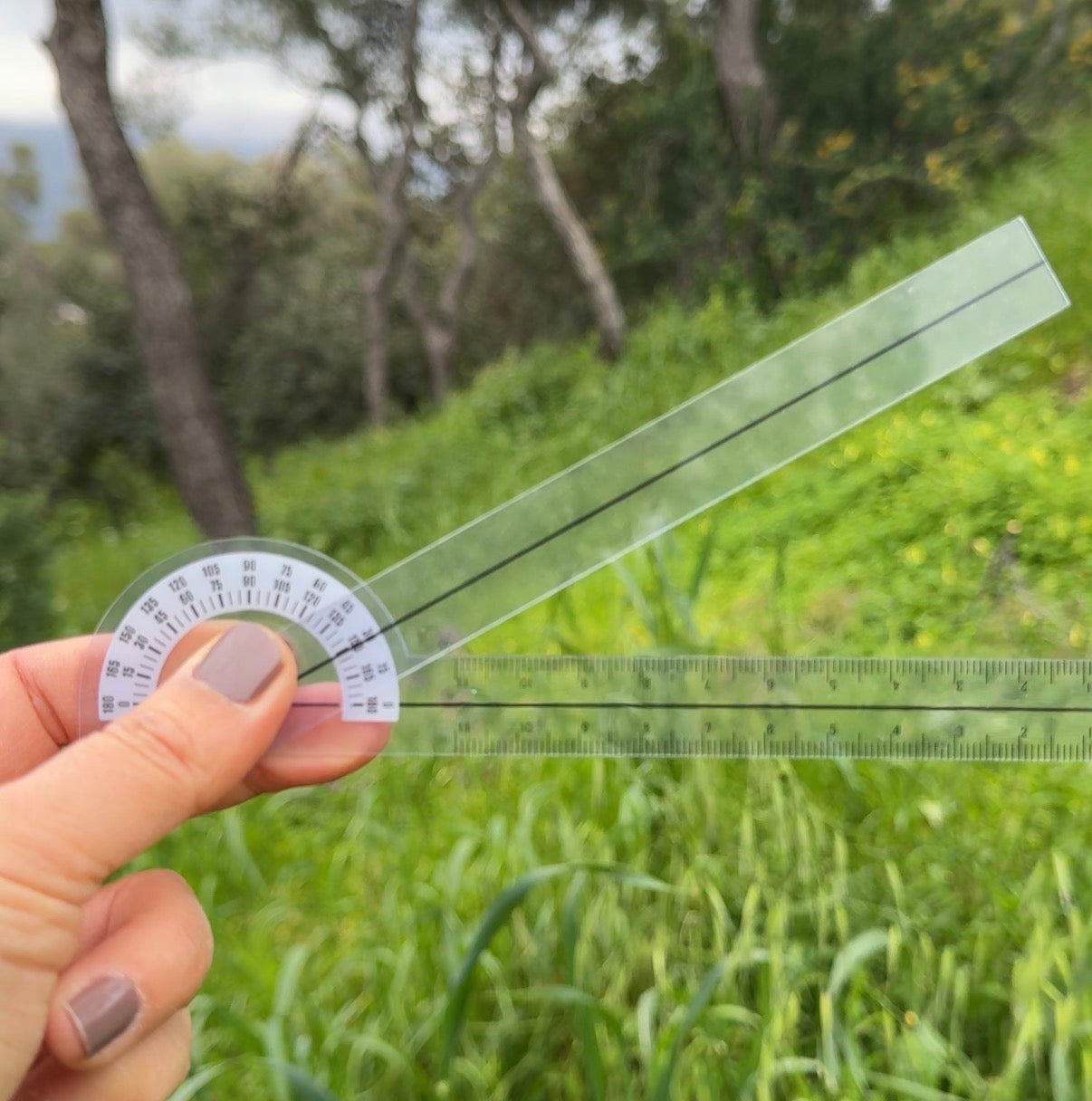
Slopes steeper than 30 degrees are not just “inclines” — they are closer to a barrier for most people.
Even if they look manageable, the risk of slipping and falling increases significantly at this angle.
In this article, we’ll explain why 30 degrees is a critical threshold — and how to make these areas safer.
Why 30° Slopes Are Risky
■ Unstable Footing
As slopes become steeper, the contact between your feet and the ground becomes less stable.
This is especially dangerous on soil or grass, where even small shifts in weight can cause slipping.
■ Balance Becomes Difficult
Human balance is designed for flat surfaces.
On slopes over 30°, you are forced into a forward-leaning posture, making it easier to lose stability.
■ Rain Makes It Worse
Wet soil, grass, and leaves become extremely slippery.
Even a “safe” slope can quickly turn dangerous after rain.
Commonly Overlooked Risk Areas
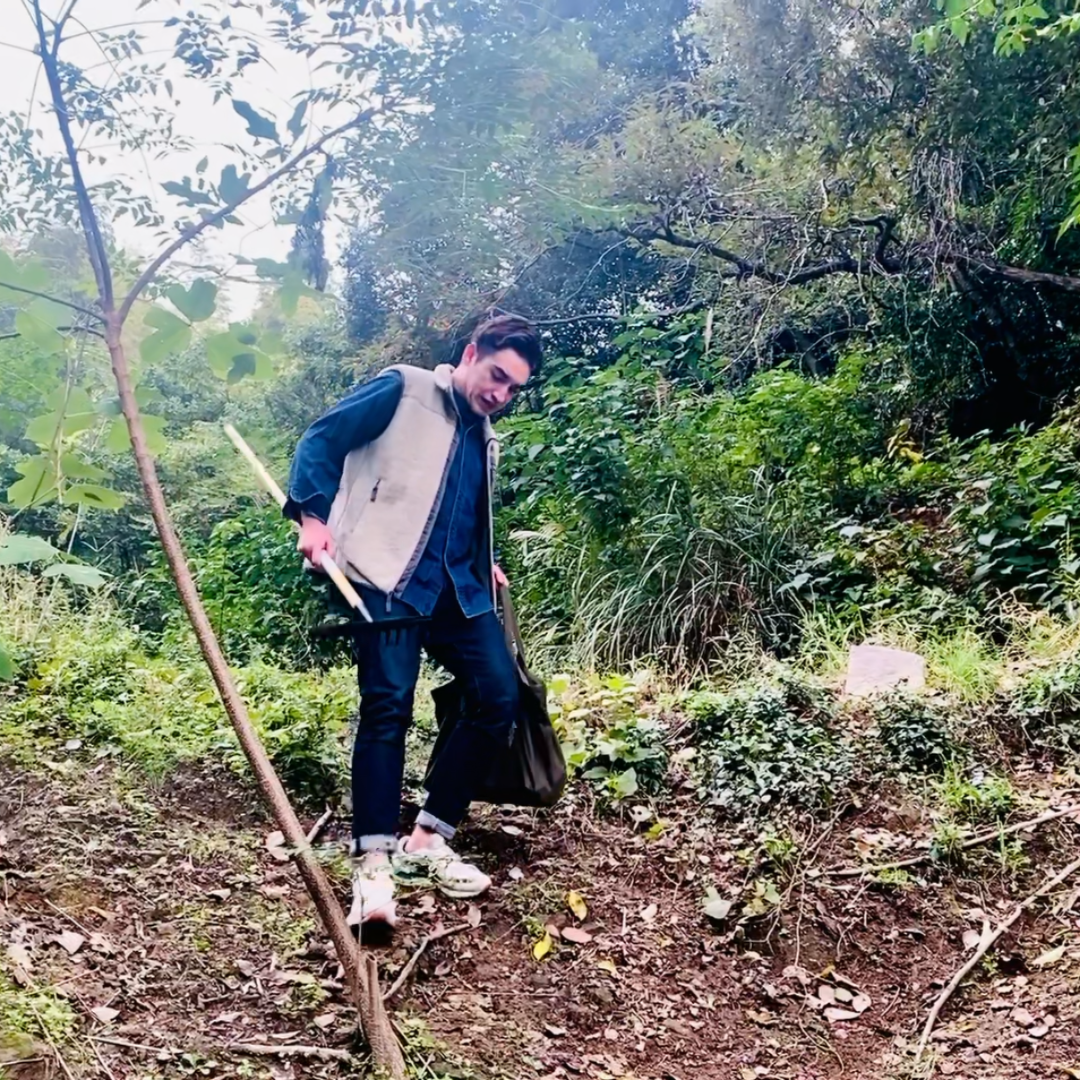
- Backyard slopes
- Farm or orchard paths
- Mountain trails or shortcuts
- Areas where weeds grow easily
The most dangerous places are often the ones people use daily without proper preparation.
Solution 1: Create Clear Footing
The most effective solution is simple: Define where to step.
By creating step-like structures:
- You reduce slipping
- Improve balance
- Increase confidence when walking
Solution 2: Avoid Heavy Construction
Concrete work can be:
- Expensive
- Time-consuming
- Harmful to natural landscapes
That’s why many people now choose simple, installable step solutions
A Concept Used in Real-World Infrastructure
In environments like power line maintenance paths,
safe walking on steep slopes is essential.
With over 50 years of experience in such environments,
we’ve learned that:
The goal is not to fully “flatten” nature,
but to make it safely walkable.
Summary
Slopes over 30 degrees represent a critical boundary between safe and unsafe terrain.
With the right approach,
they can be transformed into safe, usable paths.
If you feel
“this slope might be unsafe,” take a look at real examples and practical solutions here.

Leave a comment
This site is protected by hCaptcha and the hCaptcha Privacy Policy and Terms of Service apply.