
■Introduction
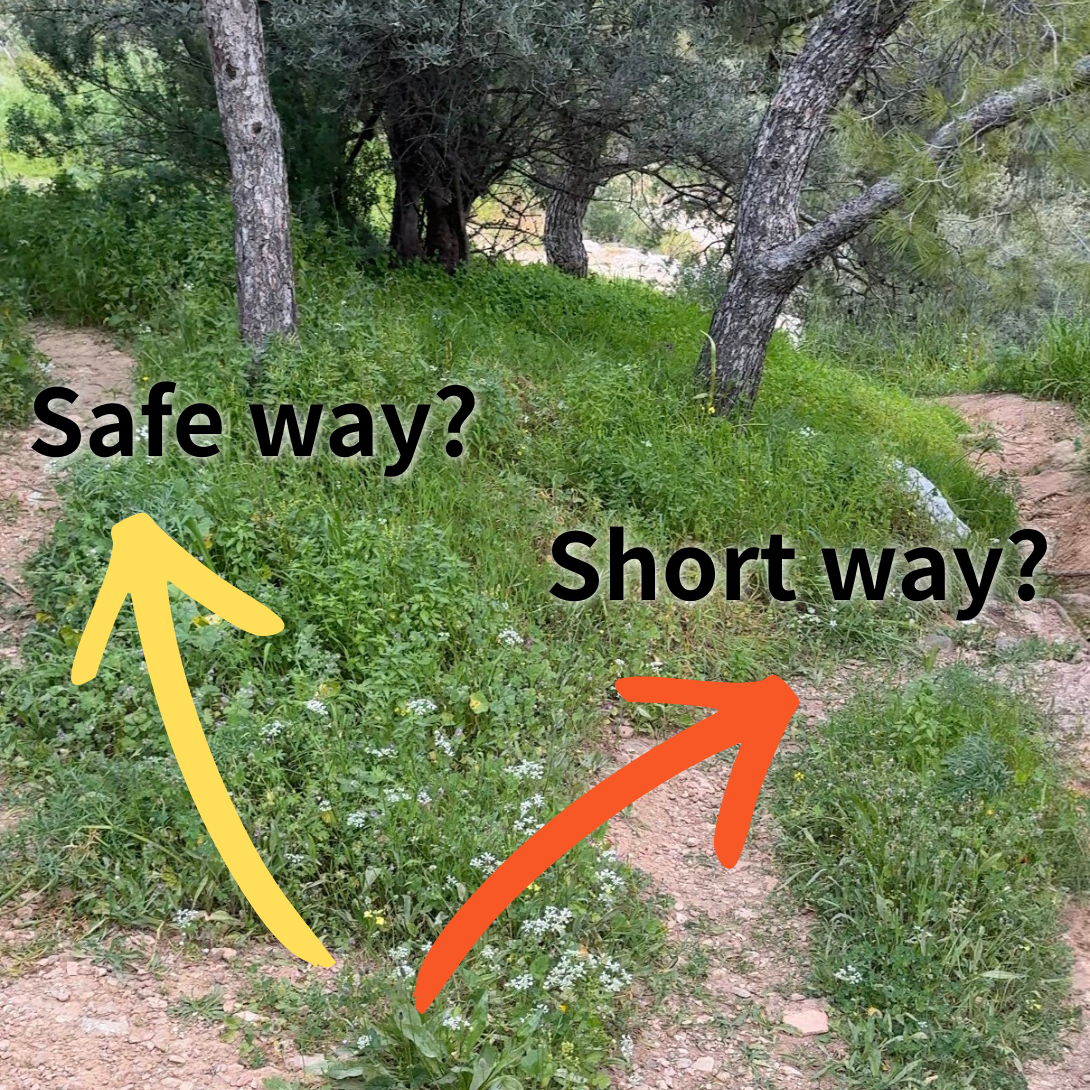
“It's probably safer to go around… but this way is faster.”
Have you ever found yourself choosing a slightly risky slope instead of taking a longer, safer path?
You’re not alone.
And more importantly — this behavior is not a flaw in judgment.
It’s human nature.
In this article, we’ll explore why people instinctively choose shortcuts, even when they know there’s some risk involved — and what that means for safety on slopes.
■1. People Judge Effort, Not Distance
Humans don’t actually make decisions based on distance.
We decide based on perceived effort.
For example:
-
A safe path → longer, slower, more tiring
-
A shortcut slope → shorter, faster, feels easier
In that moment, the brain concludes:
👉 “Even if it’s a bit risky, this is easier overall.”
This is a classic case of behavioral economics:
👉 Immediate reward outweighs future risk
■2. We Underestimate Risk
People naturally believe:
-
“I’ll be fine.”
-
“I’ve done this before.”
-
“Accidents happen to others.”
This is known as:
👉 Normalcy bias / Optimism bias
Slopes are especially deceptive because:
-
They look natural and harmless
-
Familiar paths feel safer over time
Risk becomes normalized — even when it’s still there.
■3. The Instinct to Take Shortcuts
This behavior is deeply rooted in instinct.
Humans are wired to:
-
Conserve energy
-
Move efficiently
Animals do the same — creating natural trails that follow the shortest route.
Humans mirror this behavior:
-
Cutting across grass
-
Stepping over barriers
-
Walking down slopes
👉 This is not laziness — it’s survival logic.
■4. The Decision Happens in One Moment
Here’s the critical turning point:
-
Clearly dangerous → people avoid it
-
Looks manageable → people go for it
👉 The decision is not “Is it dangerous?”
👉 It’s “Does it look doable?”
And slopes often create this illusion.
■5. The Real Danger Is Often Invisible
People assume danger comes from:
-
Rain
-
Steepness
But in reality, slipping is often caused by:
-
Loose soil
-
Leaves or gravel
-
Moderate slopes (~30°)
👉 “Looks safe” and “is safe” are not the same.
■6. People Follow Paths — Even If They’re Unsafe
Humans are influenced by others.
If a path looks used, we assume:
👉 “This must be okay to walk.”
This is called:
👉 Desire Path
-
People walk → a path forms
-
The path invites more people
-
The cycle continues
■7. Safety Isn’t About Eliminating Risk — It’s About Balance
There’s something important to acknowledge here.
Not all risk is bad.
In fact, moving through slightly unpredictable natural environments can sharpen our awareness, balance, and physical sensitivity.
Completely removing risk can sometimes dull these instincts.
However, context matters.
In situations where:
-
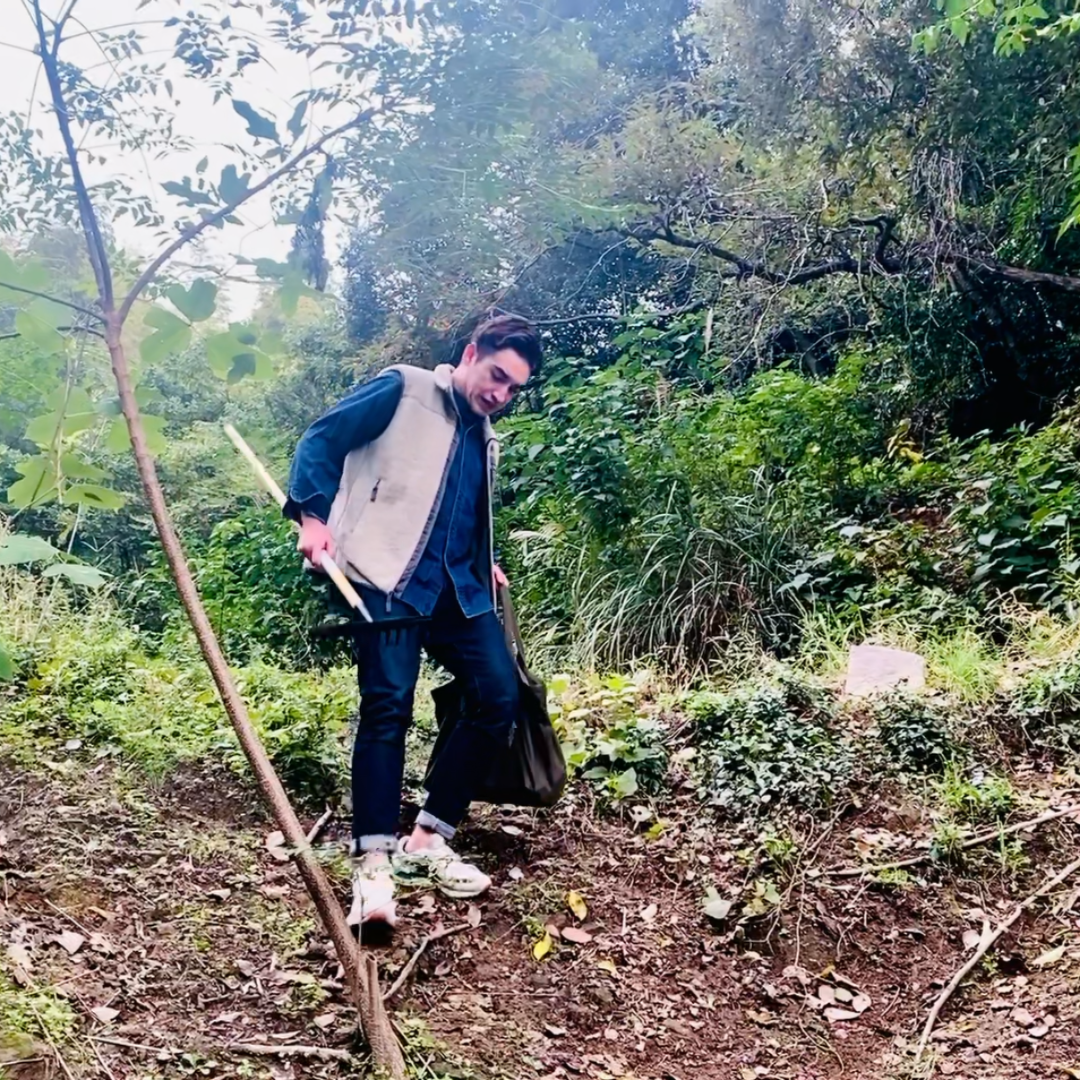
Daily work depends on movement (farming, orchard work, poultry care)
-
Repetition increases exposure
-
Elderly people or less stable walkers are involved
Even a small chance of slipping becomes a serious issue over time.
In these cases, the goal isn’t to eliminate nature —
👉 it’s to support safe interaction with it.
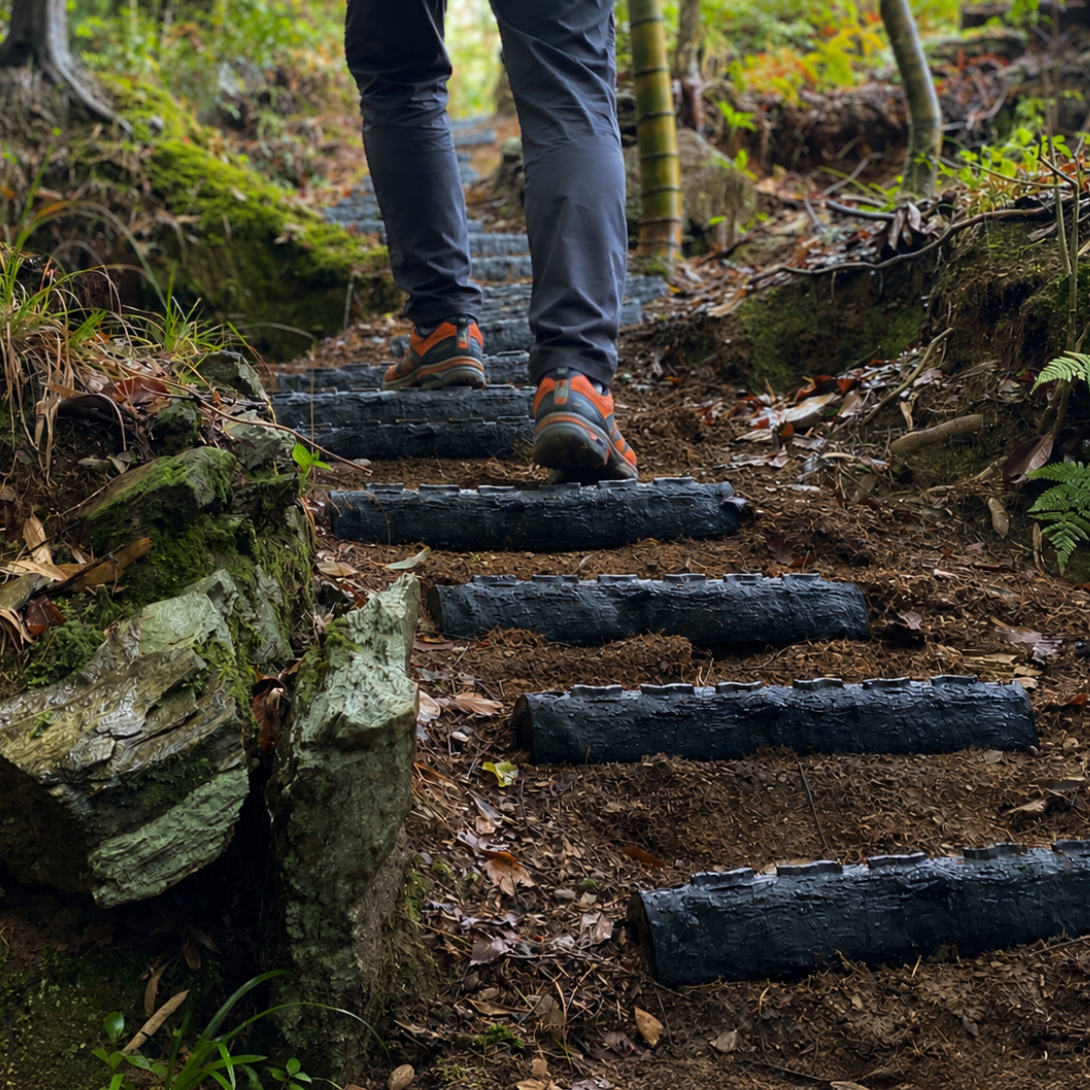
Sometimes, something as simple as a small, stable foothold can:
-
Reduce unnecessary risk
-
Maintain natural terrain
-
Allow people to move with confidence
👉 This is where coexistence deepens.
■Conclusion
People don’t avoid danger.
They follow what feels possible.
👉 We don’t choose paths because they’re safe
👉 We choose them because they look walkable
This is the key insight.
■Closing Summary
We don’t choose paths because they are safe.
We choose them because they feel possible.
We don’t avoid risk.
We follow what seems easier, faster, and more natural.
That’s how humans move.
So the question is not whether people will walk there.
The question is:
👉 How do we make that path safer — without losing its natural flow?
Because true safety is not about removing nature.
It’s about moving through it, with confidence.

Leave a comment
This site is protected by hCaptcha and the hCaptcha Privacy Policy and Terms of Service apply.